Quevedo Vintage No. 1 (Red,Portugal)

I didn’t wait long to dive into my first case of wine from Naked Wines (www.nakedwines.com).

The first bottle I chose was by the Quevedo Family of Portugal’s Douro Valley.

While many wine drinkers won’t be familiar with the grapes, this is actually a classic Portugal/Douro Valley red blend: 40% Touriga Nacional, 30% Touriga Franca and 30% Tinta Roriz (known as Tempranillo in Spain).
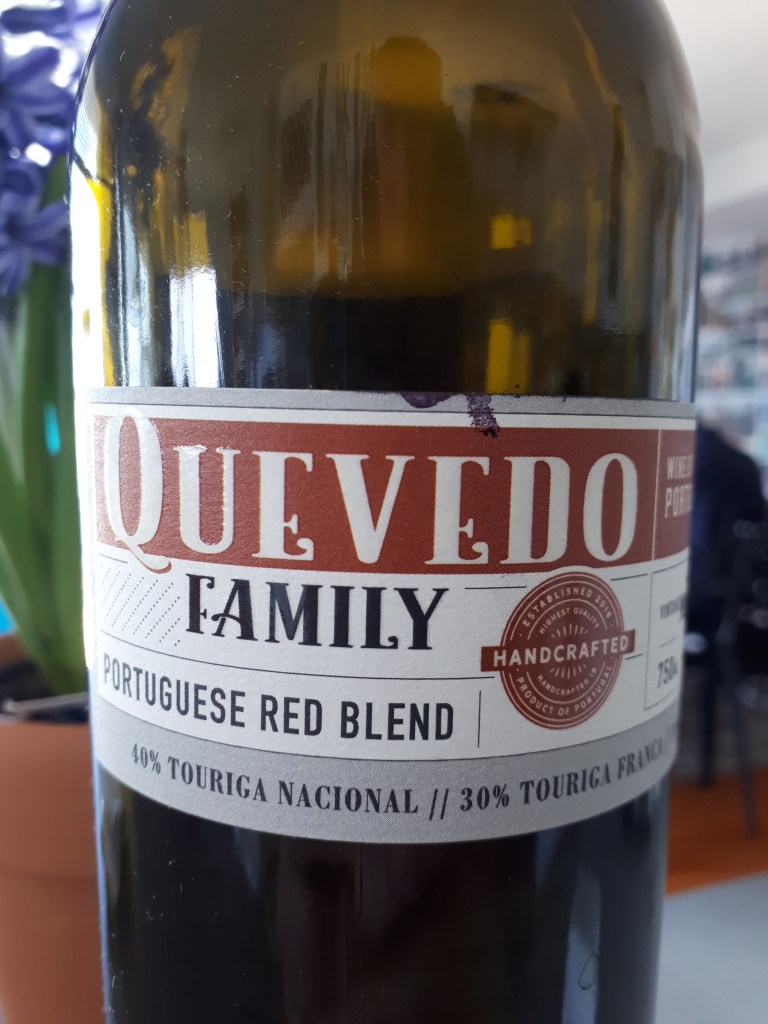
40% TN, 30% TF, 30% TR is a fairly typical blend. These are also the same grapes that go into Port production.

The Douro Valley is hot, so the red wines from here are generally ripe, rich and tannic. Having just returned from the Douro Valley (where we tasted many wines!), my impression is that the overall color/flavors/aroma of this Quevedo wine are typical for the region.

Considering how dark purple it was, the Quevedo was surprisingly light-bodied, with very pleasant red fruit aromas and flavors and good acidity.

The only issue for this wine is that the tannins are a bit rough. They hit hard on the finish, making it feel imbalanced. I strongly believe that this wine will taste better in 2-3 years, when some of the tannins precipitate and the fruit/acids/tannins are more balanced.

I put a review on the Naked Wines website. I said that I wouldn’t buy the wine again. But my “No” and 3-heart rating wasn’t really fair. It just means that I wouldn’t buy this wine AT THIS AGE again.

Beautiful Douro Valley

WINEKNOW:

  • The Douro River flows out of Spain and across the width of Portugal emptying into the Atlantic at the lovely town of Porto.
  • The Douro Valley has long been famous for its fortified Port wines, but dry wine production overtook Port production a long time ago.
  • I would rate the Douro Valley as among the Top 5 most beautiful wine regions in the world. The whole valley on both sides of the river is terraced. Even if you aren’t into wine, you should visit the Douro. Assuming you are into wine (why else would you be here?) the Douro Valley is paradise.
  • Touriga Nacional is the generally considered the premier native red grape of Portugal – it produces full-bodied, tannic, dark purple wines.
  • Touriga Franca is a bit softer and fruitier then Touriga Nacional. It can also be quite floral on the nose.
  • Tinta Roriz is the local name for Tempranillo. If you’ve had a wine from Rioja, you’ve had Tempranillo. Tempranillo wines tend to be a bit lighter-bodied with red fruit aromas and flavors.

Paso a Paso

Last weekend, we drove up to Paso Robles to check out its burgeoning wine scene.

I knew that I would like the wines. Paso’s niche is red blends that copy the formulas established in the Southern Rhone (Grenache + Syrah + Mourvedre) and the Northern Rhone (Shiraz + a splash of Viognier) of France. I love Rhone Valley reds. A good part of my collection is wines from Chateauneuf du Pape and Gigondas.

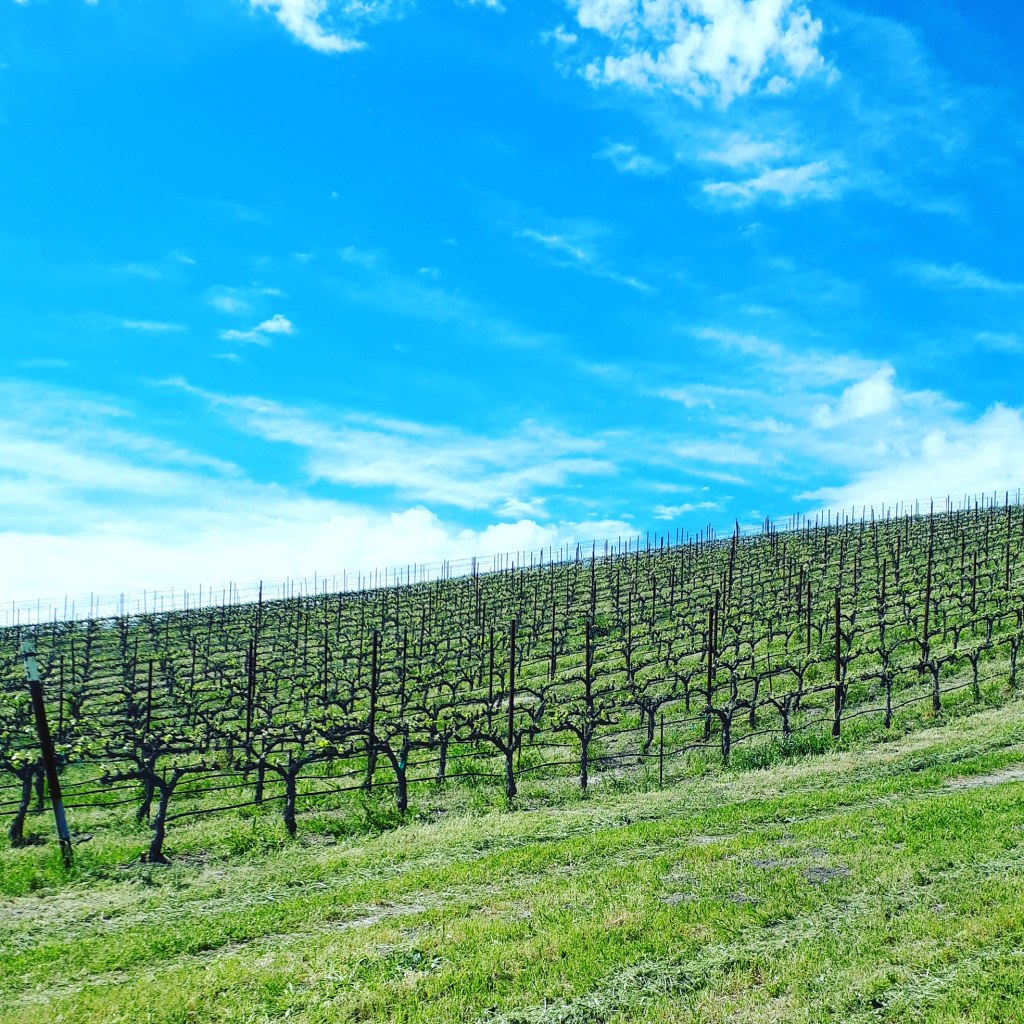
A beautiful day at Caliza’s vineyards

I didn’t know if I would like the town or the wine-tasting experience. My hope was that it had not been Napafied yet.

The good news is that Paso Robles is a delightful little town with a gorgeous old downtown area bursting with great restaurants, bars and wine-tasting rooms.

The even better news is that the wineries generally accept walk-ins and charge around $10-15 for a tasting (refunded if you buy a few bottles). Staff were knowledgeable, friendly and fun. A couple of the more popular wineries were approaching Napa pretension and prices, but most kept things casual. Our four boys threw the football outside or played on the iPad and only once were they scolded.

One iPad, four brothers. My boys love “wine-tasting” because it means unlimited iPad time!

Paso Robles is just inland from San Luis Obisbo, and roughly equidistant from both San Francisco and Los Angeles.

Our drive from Laguna Beach took 4.5 hours.

I’ll be posting on the individual wineries over the coming days.

Conclusion: Paso Robles is great food and wine destination. We will definitely be back.

Getting Naked

I finally broke down and bought a mixed case from nakedwines.com.

The $100 voucher card (which I received as part of a mass mailing) meant that my total cost per bottle was just over $7. Ridiculously cheap, if the the wines are good, that is.

I chose the “customers’ favorites” case: all were wines that 85%+ of customers had said they would buy again. I did notice, however, that some of the wines had a limited number of reviews. I found many of the written reviews of limited use: “too sour, don’t like” doesn’t really tell me much.

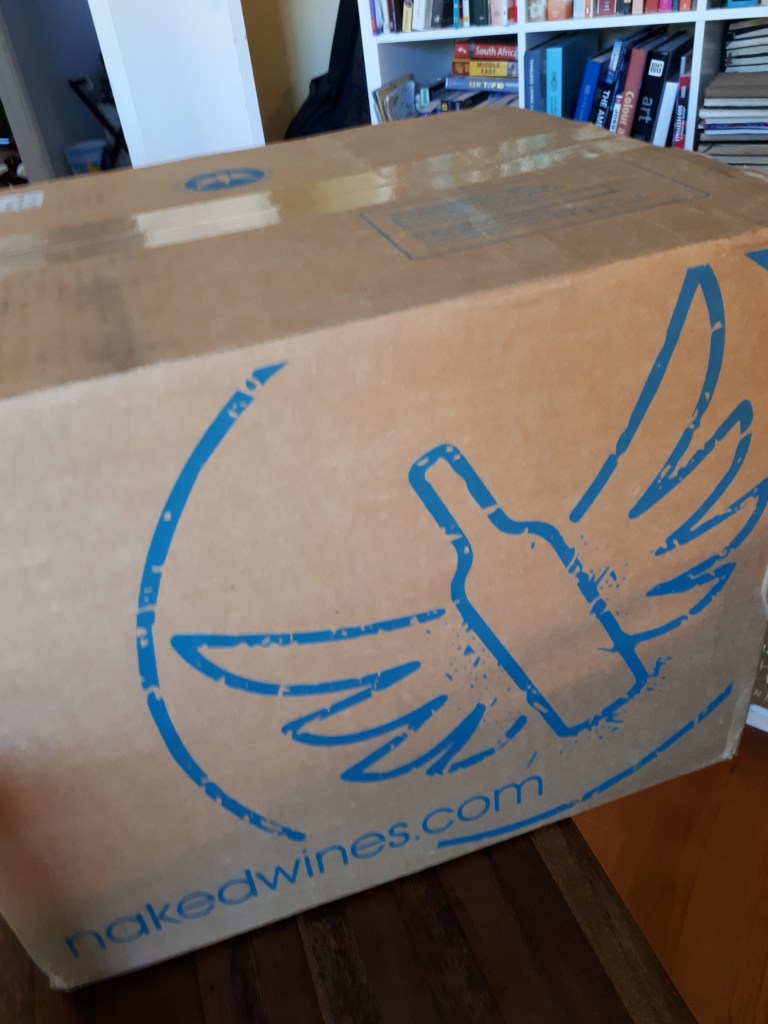
My wine arrived three days after ordering!
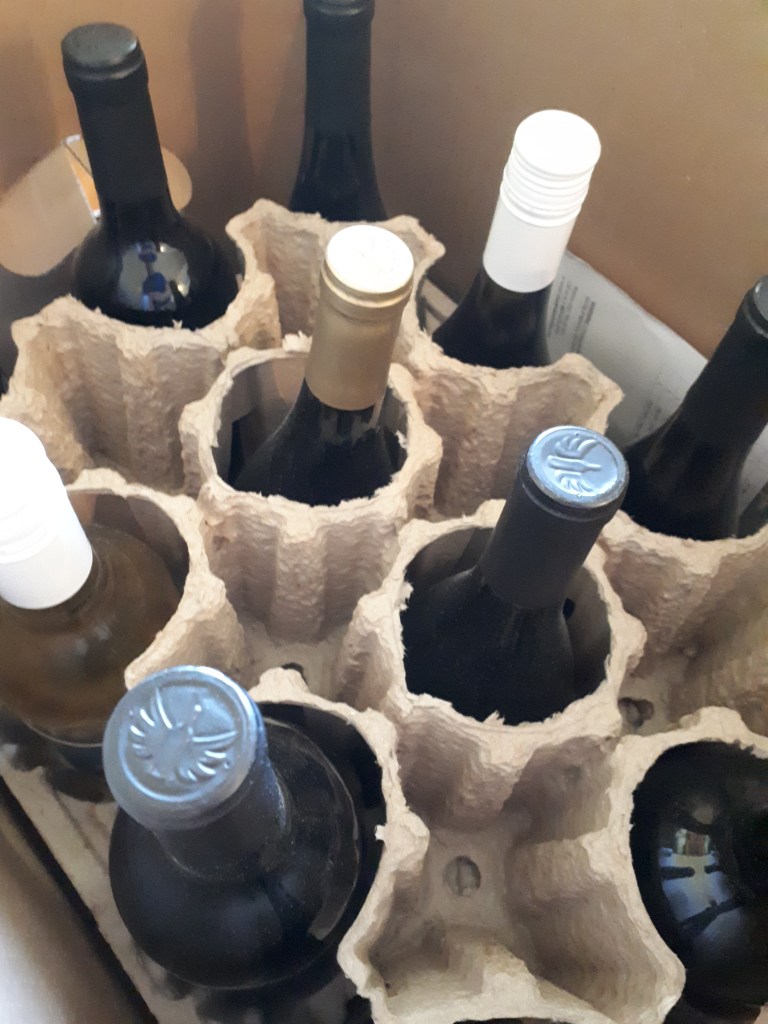
The foil capsules and screwtops all sported the Naked Wines logo.

There are a lot of wine clubs these days. What’s different about Naked Wines is that they act a bit like a private equity house by “investing” in independent winemakers.

But instead of owning shares, the “Angels” (see the logo left) get access deeply discounted wine.

I am now number 12,000 on the waiting list to become an Angel. Angels put $40/month (US$480/year) into their “piggy bank”, which can be used to purchase wine.

The mixed case I received had a nice variety of wines: 8 reds, 4 whites; eight different countries (only 4 from USA).

Several of the bottles had “Angel’s Reserve” written on them, or little notes from the winemaker on the back label thanking Naked Wines and the Angels for funding their dreams.

Will I become an Angel? I doubt it. $480 is a lot to commit to if I’m buying wine at US$10-15/btl.

I should say, however, that everything about Naked Wines has been very professional and fun: the website, the e-mails, the speed of delivery.